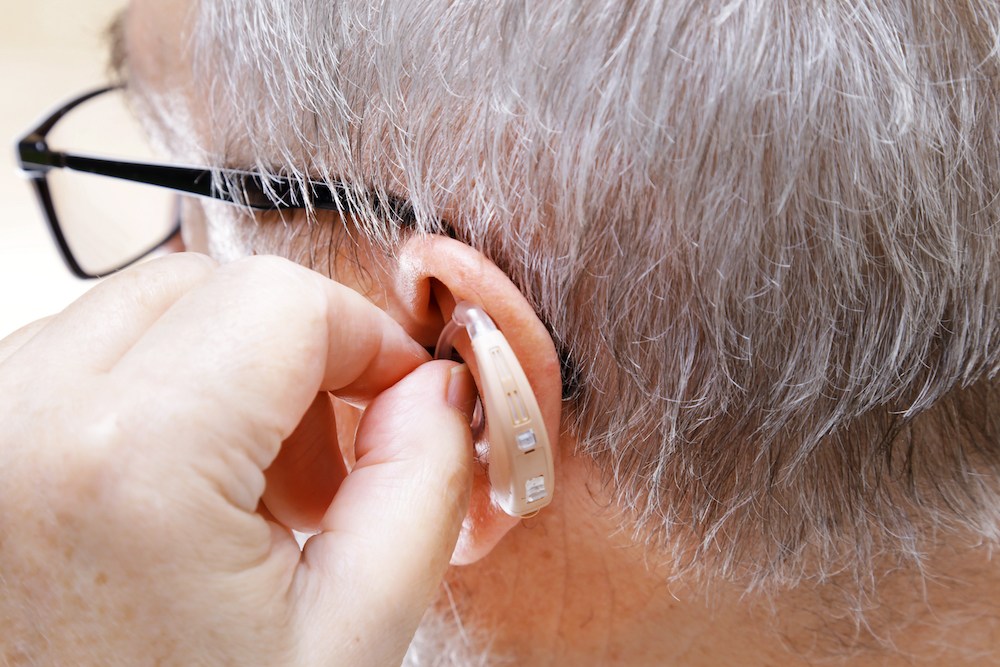
Hearing loss affects more than just the person experiencing it; it can influence the daily life of everyone in the household. Simple routines, like conversations or shared activities, may require adjustments from family members, like repeating instructions or speaking more clearly.

These changes can sometimes create frustration or miscommunication without anyone realizing it. Recognizing hearing loss as something that involves the whole family helps everyone find practical ways to communicate and support each other effectively.

How Hearing Loss Affects Everyday Family Life

Hearing loss can change the way a family interacts on a daily basis, even during simple routines like talking at the dinner table or watching TV together.

Conversations may take longer as family members repeat themselves or speak more clearly to be understood. This can sometimes lead to misunderstandings or small frustrations, even when everyone is trying to communicate effectively. Over time, these adjustments become part of the household routine, affecting how easily family members connect and share information.

Children and spouses may also notice that the person with hearing loss misses subtle cues, like tone of voice or side comments, which can impact social interactions and shared activities. Family outings, group conversations or noisy environments may require extra planning or patience.

Being aware of these effects allows the household to adapt in practical ways, like adjusting seating arrangements, using visual cues or setting aside quiet times for discussion. Small changes like these can help maintain communication and keep family life running smoothly.

Changes in Home Communication Due to Hearing Loss

Communication patterns often change when hearing loss affects someone in the family. You may find yourself speaking louder, repeating things or using more gestures and written notes. These adjustments can sometimes cause frustration or misunderstandings.

Understanding these changes helps everyone work together to find better ways to connect. Encouraging patience and support makes daily life at home feel more welcoming for all.

The Impact on Children and Grandchildren

Children and grandchildren may be especially sensitive to changes caused by hearing loss. Young children might not understand why they need to repeat themselves or why a loved one does not respond right away, leading to confusion or feelings of being ignored.

Older children and teenagers could feel frustrated if they think they are not being heard. It helps to explain what hearing loss means and encourage open conversations. Helping children understand the situation can reduce stress and help them feel more included in family life.

Emotional Challenges Families Face When Someone Has Hearing Loss

Emotional strain is common when a loved one has hearing loss. Family members may feel frustrated, sad or worried about the future. Communication difficulties can leave some feeling left out or misunderstood, while the person with hearing loss may experience isolation or embarrassment.

Talking openly about these feelings and listening to each other’s experiences can help. Setting aside time for regular family discussions gives everyone a chance to be heard and supported.

Why Misunderstandings Can Cause Frustration and Stress at Home

Misunderstandings at home can happen easily when someone has hearing loss, even in familiar situations.

Simple instructions or casual conversations may be missed or misheard, which can lead to repeated explanations and the need to clarify more often than usual. Over time, these small communication challenges can create frustration for both the person with hearing loss and their family members.

Stress can build when everyone feels like they are constantly repeating themselves or being misunderstood. Daily routines, like coordinating schedules or managing household tasks, may take more time and effort, which can affect the overall mood in the home. Recognizing that these challenges are a normal part of adjusting to hearing loss can help families approach situations more patiently and work together to find better ways to communicate.

The Importance of Family Support for Better Hearing Health

Family support plays a vital role in maintaining better hearing health. When loved ones are involved, you are more likely to keep up with appointments and use hearing devices as recommended. Encouragement from family can make it easier to manage changes in daily life.

Strong family support brings benefits like improved communication, increased motivation to follow care plans and reduced feelings of isolation. However, disagreements about how much help is needed or frustration if progress is slow can sometimes arise. Finding a balance helps everyone feel comfortable and confident as you adjust to new routines.

Simple Ways to Improve Communication With Loved Ones

Small changes can make conversations go more smoothly at home and help everyone feel included. Try these tips:

  • Get the person’s attention before speaking so they know you are talking to them.
  • Face each other and speak clearly using a normal tone of voice.
  • Turn off background noise like the TV or radio during important conversations.
  • Use gestures or write things down if something is hard to understand.
  • Be patient and allow extra time for responses.

Starting Honest Conversations About Hearing in the Family

Talking about hearing changes can feel difficult at first, but open conversations are important for everyone’s well-being. Honest discussions clear up confusion and allow each person to share their feelings or concerns.

When bringing up hearing changes, use caring language and focus on how it affects daily life together. Sharing information about hearing tests or new technology can help family members understand what steps might be helpful next.

Working Together Makes a Difference for Every Family

Hearing loss shapes the daily lives of everyone in the family, not just the person experiencing it. Everyday routines and conversations may change, but finding new ways to connect and communicate can help maintain strong relationships at home.

If you notice signs of hearing loss in your family or find that communication is becoming more difficult, schedule an appointment with an audiologist. Taking thoughtful steps together can improve comfort and quality of life for everyone at home.