Working in a noisy environment can gradually affect your hearing health. Many jobs, including construction, manufacturing and even busy office settings, expose you to loud sounds that may lead to hearing loss.
Protecting your hearing at work is essential for staying connected with others and maintaining safety on the job. Understanding how noise impacts your ears, you can make informed choices that support your long-term hearing health.

How Loud Sounds Can Cause Hearing Loss

Loud sounds can harm your hearing when your ears are exposed to more noise than they can safely handle. Sounds from machinery, power tools, concerts or even personal headphones played too loudly can strain the delicate parts of the ear that help send sound signals to the brain.

When these sounds are too strong or last too long, they can damage the tiny cells that allow you to hear clearly. Once these cells are damaged, they do not grow back, which is why hearing loss related to noise is often permanent.

The risk increases with both volume and exposure time. A brief burst of very loud sound can cause sudden changes in hearing, while ongoing exposure to moderately loud noise can lead to problems over time.

You may notice early signs like ringing in your ears, difficulty understanding speech or needing higher volume settings than before. Paying attention to these changes and reducing your exposure to loud sounds can help protect your hearing and lower the chance of long-term damage.

Common Noisy Equipment and Areas at Work

Many workplaces have areas and equipment that are especially loud. You may notice high noise levels from machines, tools or even busy communal spaces.

Construction sites, factories and warehouses often have equipment like power saws, drills, forklifts and large engines that produce sounds capable of harming your hearing over time. Even office environments with constant phone calls or noisy printers can contribute to daily noise exposure if you spend long periods in these settings.

Training and Education on Noise Safety

Learning about noise safety helps you protect your hearing each day. Many workplaces provide training on using hearing protection and understanding the risks of loud environments.

This education covers how to identify noisy areas, recognize warning signs about sound levels and know when to take breaks from loud settings. Staying informed supports better choices for your hearing health.

The Importance of Regular Hearing Checks at Work

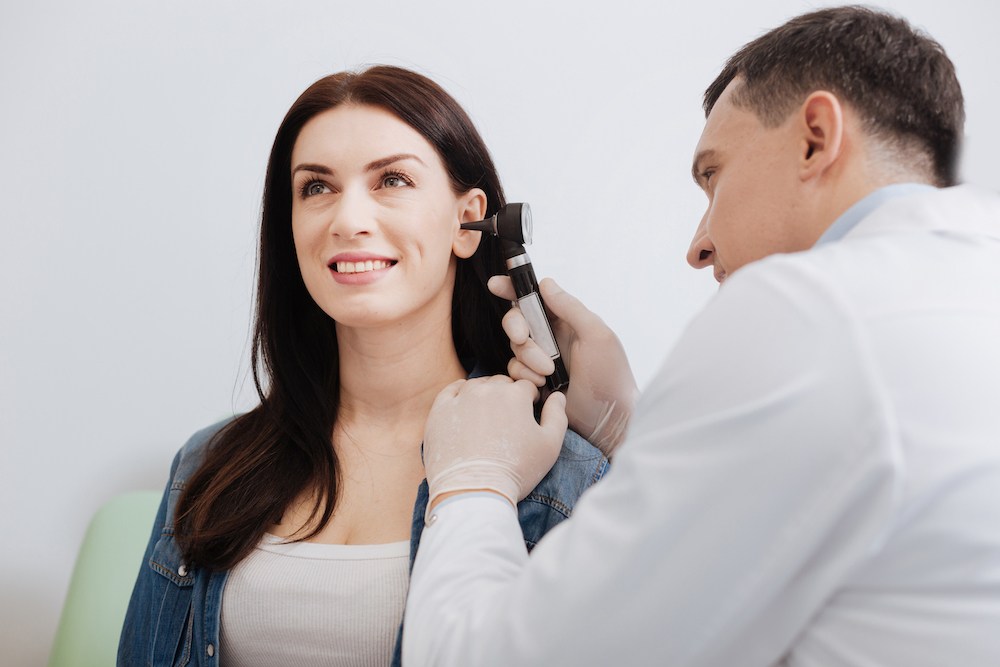
Routine hearing checks are an important part of workplace safety. Many employers offer hearing tests if you work around loud noise regularly.

These tests measure how well you hear different sounds and can identify changes since your last check. Early detection gives you the chance to address any hearing changes and take steps to prevent further loss.

Noticing Early Signs of Hearing Loss on the Job

You may notice early signs of hearing loss if you often ask coworkers to repeat themselves or struggle to follow conversations in meetings. Sounds like alarms, ringing phones or voices may seem muffled or distant.

Feeling unusually tired after a workday can also be a sign, as listening requires more effort. Paying attention to these changes allows you to address hearing loss early and stay connected with those around you.

Choosing the Right Hearing Protection for Work

Selecting the right hearing protection is key to keeping your ears safe at work. Options include earplugs, earmuffs and custom-molded plugs.

Earplugs fit inside your ear canal and are easy to carry, while earmuffs cover your entire ear and may be more suitable if you need to remove them quickly or wear them with other safety equipment.

Consider how loud your workplace is and how long you are exposed to noise each day. Some jobs require stronger protection than others, so check if your workplace has specific guidelines.

If you are unsure which type is best for you, an audiologist can help you find the most suitable option for your needs.

Steps to Wear Hearing Protection Properly

Using hearing protection correctly is just as important as choosing the right type.

For earplugs, roll them between your fingers to make them small, then gently insert them into your ear canal and hold them in place until they expand. Make sure they fit snugly so loud sounds are blocked.

When using earmuffs, position the cups fully over your ears and adjust the headband so it sits firmly on your head. Ensure there are no gaps between the earmuff cushions and your skin, even if you wear glasses or have long hair.

Taking a few extra seconds to put on hearing protection properly can help prevent gradual hearing loss at work. Consistent use each day supports better hearing health over time.

Everyday Actions That Help Protect Your Hearing

Protecting your hearing often comes down to small choices you make throughout the day.

Turning the volume down on headphones, taking listening breaks during long calls or streaming sessions and stepping away from loud areas when possible can all reduce strain on your ears. Using hearing protection during activities like mowing the lawn, attending loud events or working with power tools adds another layer of support.

Paying attention to how your ears feel also matters. If sounds seem muffled or you notice ringing, it can be a sign to give your ears a break. These simple habits fit easily into daily life and can help preserve comfortable hearing over the long term.

Keeping Your Hearing Safe at Work and Beyond

Taking steps to prevent hearing loss in noisy workplaces supports your overall well-being.

Using appropriate hearing protection, following safety guidelines and paying attention to early signs of hearing changes all contribute to keeping your ears safe on the job. Even small adjustments in your daily routine can have a lasting impact.

If you have questions about workplace noise or need help selecting the best hearing protection, schedule an appointment with an audiologist. Regular check-ups are also helpful for identifying any changes and providing the right treatment for your specific needs.