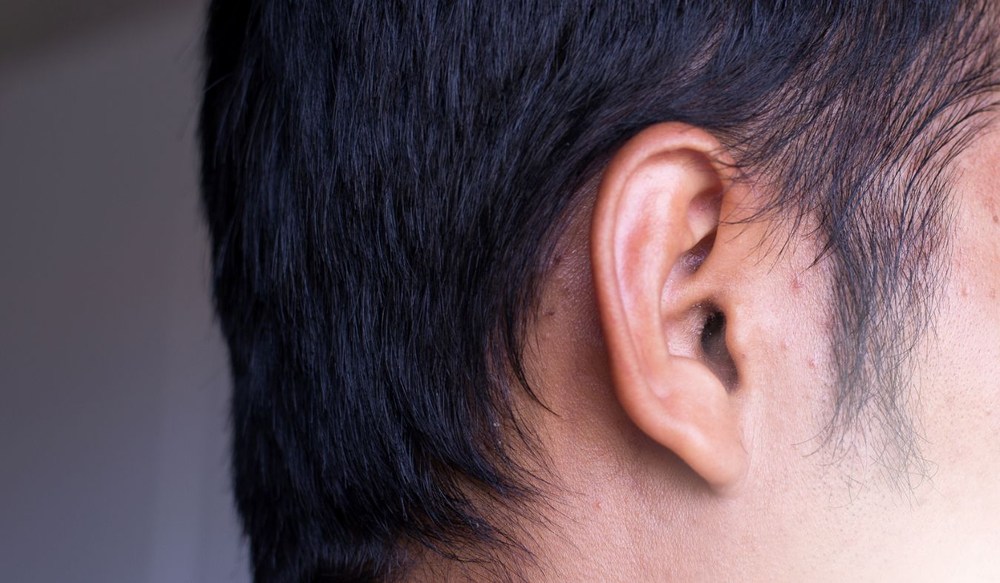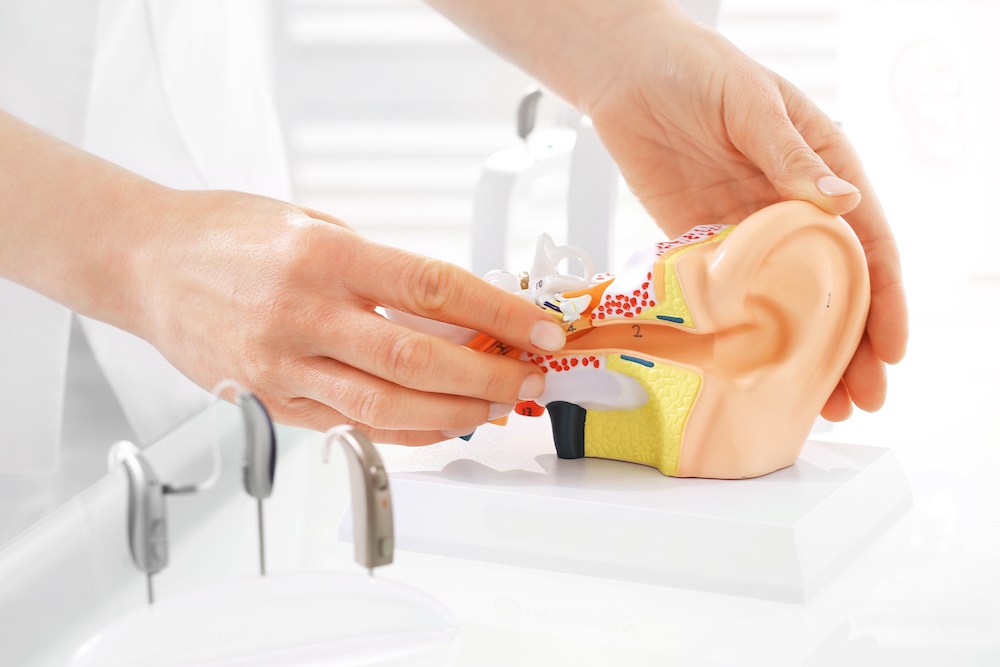
Earwax probably isn’t something you think about until you notice it in your ear or wonder whether it needs to be removed. It’s a normal part of how your ears care for themselves and having some wax in the ear canal is expected.
How much you produce and how easily it moves out of the ear can vary from person to person. That’s where cerumen management comes into the conversation, especially when you’re deciding whether the wax should be left alone or removed.

What Is Earwax and Why Your Ears Need It

Earwax forms from natural oils, shed skin cells and material produced by glands in the ear canal. The wax coats the thin skin lining the canal, which keeps that skin from becoming dry and irritated.

Its slightly sticky texture catches dust and other small particles before they travel farther toward the eardrum. Cerumen also creates an acidic environment inside the canal that limits the growth of certain bacteria and fungi.

Your ears usually manage this wax without any cleaning inside the canal. Movements from talking and chewing gradually carry older wax outward along with the material it has collected.

Signs Earwax May Be Causing a Problem

Having earwax in the canal doesn’t mean something is wrong. When wax collects and blocks part of the canal, you might experience:

    • Muffled hearing in one or both ears.
    • A plugged or full feeling in the ear.
    • Ringing or buzzing that wasn’t there before.
    • Itching deeper inside the ear canal.
    • Aching or pressure in the ear.
    • Hearing aid feedback that happens more often than usual.
    • A hearing aid that seems quieter after you put it in.

When to Get Professional Help for Earwax Buildup

An audiologist can see where the wax is located, how firmly it’s packed and which removal method fits the ear. That might involve suction, small instruments or another approach that avoids pushing the wax farther into the canal.

How Audiologist Check Your Ears for Wax Safely

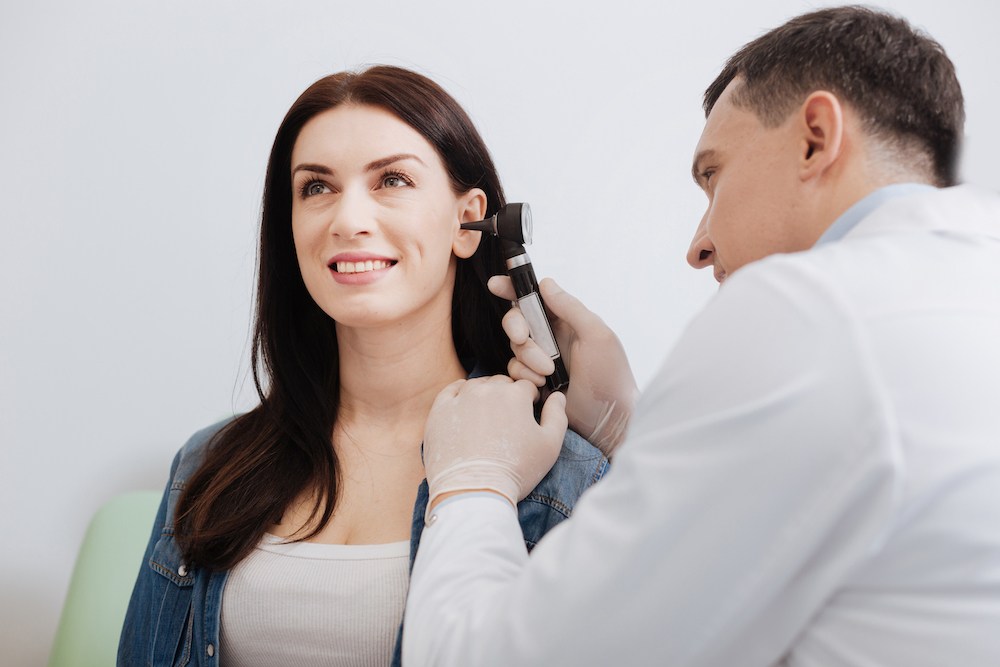
Before removing any wax, an audiologist checks the ear canal for details that could change how the ear should be handled. They look at the canal walls for swelling, drainage, irritated skin or anything else that shouldn’t be disturbed.

The eardrum is checked when it can be seen, including its surface and whether there are signs of a previous opening or procedure.

An audiologist may also ask about ear surgery, tubes or recent ear discomfort before using water or instruments. These checks determine which removal methods are appropriate for that ear and which ones should be avoided.

Common Professional Methods Used to Remove Earwax

An audiologist may remove earwax with small instruments, suction or irrigation after examining the ear canal. Manual removal involves carefully lifting or scooping the wax out while your audiologist watches its position in the canal.

With suction, a narrow tip draws out the wax without adding liquid to the ear. Irrigation uses water to wash out softened wax when the ear is suitable for that method.

If the wax is dry or tightly packed, drops may be used first to soften it before removal. Your audiologist may use more than one method when the buildup has different textures or sits in several areas of the canal.

How Regular Hearing Checkups Support Healthy Earwax Levels

During a hearing checkup, your audiologist examines the ear canal before testing your hearing. This lets them see whether wax is collecting in a way that could block sound or interfere with testing.

Looking at the ears during regular visits also shows how quickly wax tends to return after it has moved out or been removed.

For people who wear hearing aids, these checks are especially relevant because an earpiece can limit the natural outward movement of wax. Your audiologist can also check the hearing aid for wax around the receiver or openings, where buildup may change how the device sounds.

Simple Daily Habits to Keep Your Ears Comfortable Between Visits

You don’t need to clean inside your ear canal as part of your daily routine. Simple care between appointments can keep the outer ear clean without disturbing the wax farther inside.

Try these habits:

    • Wipe the outer ear with a soft, damp cloth.
    • Dry the area around the ear opening after bathing or swimming.
    • Keep cotton swabs, hairpins and other objects out of the ear canal.
    • Wash or replace hearing aid domes and earpieces as directed.
    • Let hearing aids and earbuds dry fully after exposure to sweat or moisture.
    • Check hearing aid openings for wax when you clean your devices.

Healthy Earwax Care Starts with Safe Professional Support

Over time, those visits also show what’s typical for your ears. Your audiologist can check your ear canals and address wax when it needs attention.

This keeps earwax care based on what’s actually happening in your ears. If you have notices excess earwax or want an ear cleaning, schedule an appointment with an audiologist.