One of the most common challenges with hearing loss is following conversations when there’s background noise, like the clatter of dishes at a restaurant, coworkers talking in an office or music at a family gathering.
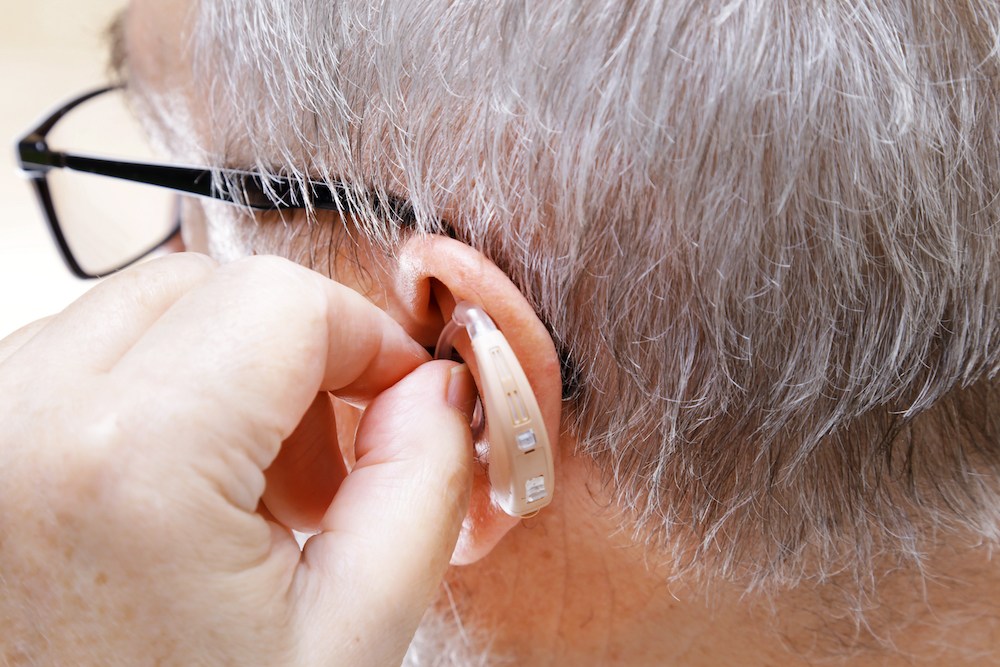
Modern hearing aids are designed to help with this by distinguishing between the voices you want to hear and the sounds you don’t, adjusting what gets amplified so conversations come through more clearly. Struggling to hear in these situations can be tiring and make social settings feel stressful, but knowing that hearing aids can filter distractions helps you feel more comfortable staying engaged.

The goal isn’t to remove all background noise, which would feel unnatural, but to make it easier for your brain to focus on speech, so you can follow discussions, participate in meetings and enjoy time with others without feeling mentally drained.

Why Background Noise is Hard to Handle with Hearing Loss

When you have hearing loss, your ears and brain have to work harder to pick out important sounds from the mix of everything happening around you. Background noise, like chatter in a crowded room, traffic outside or music playing nearby, can make it difficult to focus on a single voice or conversation.

This extra effort can be exhausting and sometimes frustrating, making social situations feel difficult or tiring. Understanding why background noise is more challenging with hearing loss can help you see why tools like hearing aids or other strategies are so helpful for keeping conversations clear and manageable.

How Hearing Aids Separate Speech from Other Sounds

Hearing aids separate speech from other sounds by using microphones and computer chips. These parts work together to tell the difference between steady background noise and changing sounds like voices.

The microphones pick up sound from around you. Then the computer inside looks for patterns that match speech, like quick changes in pitch and loudness. At the same time, it marks steady sounds like fans or traffic as noise and lowers them so voices stand out more.

Many hearing aids also use directional microphones that pay more attention to sound coming from in front of you, where a person you are talking with is usually sitting or standing. When these tools are set correctly by an audiologist, they can make speech clearer while keeping other sounds at a more comfortable level.

Directional Microphones That Focus on Voices You Want to Hear

Directional microphones in hearing aids are designed to help you focus on the sounds that matter most, especially when there’s a lot going on around you. These microphones pick up voices in front of you more clearly while reducing background noise from other directions, which can make conversations easier to follow in busy environments.

Features you might notice include:

  • Clearer speech during meals, meetings or social gatherings.
  • Reduced distraction from surrounding noise like traffic, TV or chatter.
  • Better focus on one person talking in a group setting.

Personalized Hearing Aid Settings for Busy Places and Family Events

Modern hearing aids often allow you to customize settings for different environments, which can make busy places and family gatherings easier to navigate.

You can adjust how much background noise is reduced or how voices are amplified so that conversations stand out without cutting out all the sounds around you. This kind of personalization helps you focus on the people you want to hear and reduces the mental effort of trying to follow multiple conversations at once.

Having settings tailored to specific situations means you can move from a crowded restaurant to a lively family dinner with less strain on your ears and brain. You might find that you can enjoy social events more, participate in group discussions and still be aware of what’s happening around you.

These adjustments make it easier to stay engaged and connected in the moments that matter most.

Practical Ways to Use Hearing Aid Features in Everyday Noise

Modern hearing aids offer features that can help you handle noisy situations more easily but knowing how to use them in daily life makes a real difference. You can adjust programs or volume settings depending on where you are, like turning on a restaurant mode for busy meals or a meeting mode at work.

Simple positioning, like facing the person you’re talking to, also helps the microphones focus on the voices you want to hear. Using these tools consistently can make conversations less tiring and help you feel more confident in social or work environments.

Helpful Questions to Ask Your Audiologist About Noise Settings

When you understand the tools in your hearing aids, noisy places can feel less frustrating and easier to manage.

One of the best ways to get there is to ask clear questions so your audiologist can match the settings to your daily life. This helps turn background noise into something you can plan for and handle with more confidence.

You might ask questions like:

  • Which program should I use in a restaurant?
  • How strong is my noise reduction right now?
  • Can we set up different programs for work, home and family events?
  • What should I adjust myself, and what should stay fixed?

When you come prepared with real examples from your week and a few written questions, your audiologist can program your hearing aids to support the activities that matter most to you.

Taking Control of Background Noise with Modern Hearing Aids

Modern hearing aids are built to do much more than make sounds louder. When the features that filter background noise are set up well, they help your brain focus on speech, stay more relaxed in busy places and feel less worn out at the end of the day.

If noisy restaurants, family events or busy stores still feel stressful even with hearing aids, that can be a sign your settings need fine tuning. An audiologist can review how your devices handle background noise today and adjust programs, so voices stand out more clearly in the places you go every week.

If you would like to learn more about hearing aids, schedule an appointment with an audiologist.